LPG vs electric forklifts: what to choose
Most counterbalance forklifts on Australian sites run on either LPG (gas) or electric power. Both lift the same loads, and both do the job well. The right choice depends on where the forklift works, how many hours a day it runs, and how you’ll keep it fuelled or charged.
The short answer
- Mostly outdoors, rough ground, or running long shifts with little downtime? LPG is usually the better fit.
- Mostly indoors, around stock or people, or where noise and fumes matter? Electric is usually the better fit.
- A mix of both? Read on, because the details decide it.
How they differ
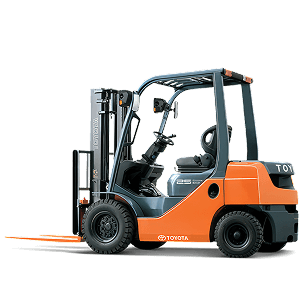
LPG forklifts have an internal combustion engine that runs on liquefied petroleum gas from a removable cylinder on the back of the machine. When the cylinder runs out, you swap it for a full one and keep working.
Electric forklifts run on a large rechargeable battery and electric motors. When the battery runs low, it goes on charge.
Where LPG makes sense
- Outdoor work and yards. LPG forklifts handle uneven surfaces and outdoor conditions better than most electric models. In most cases they can be used in wet weather with extra care.
- Long or back-to-back shifts. A cylinder swap takes a few minutes, so the machine is out of action for a few minutes, not a few hours.
- Loading trucks and moving between the shed and the yard.
What to keep in mind:
- LPG engines produce exhaust, including carbon monoxide. Indoors, you need good ventilation, and LPG isn’t suited to confined spaces.
- They’re noisier than electric forklifts.
- Forklift LPG cylinders can’t be filled at a service station pump. They’re swapped on an exchange basis through a gas supplier, and spare cylinders need to be stored safely in a proper cage, outdoors.
- Engines have more moving parts (oil, filters, spark plugs, the gas system), so servicing covers more.
- Every gas forklift should carry a compliance plate showing when the gas system was tested, and by whom.
Where electric makes sense
- Indoor warehouses and food handling. No exhaust fumes where the forklift is working, which is why electric forklifts are recommended in confined spaces.
- Quieter sites. Much less noise, which helps when people are working nearby.
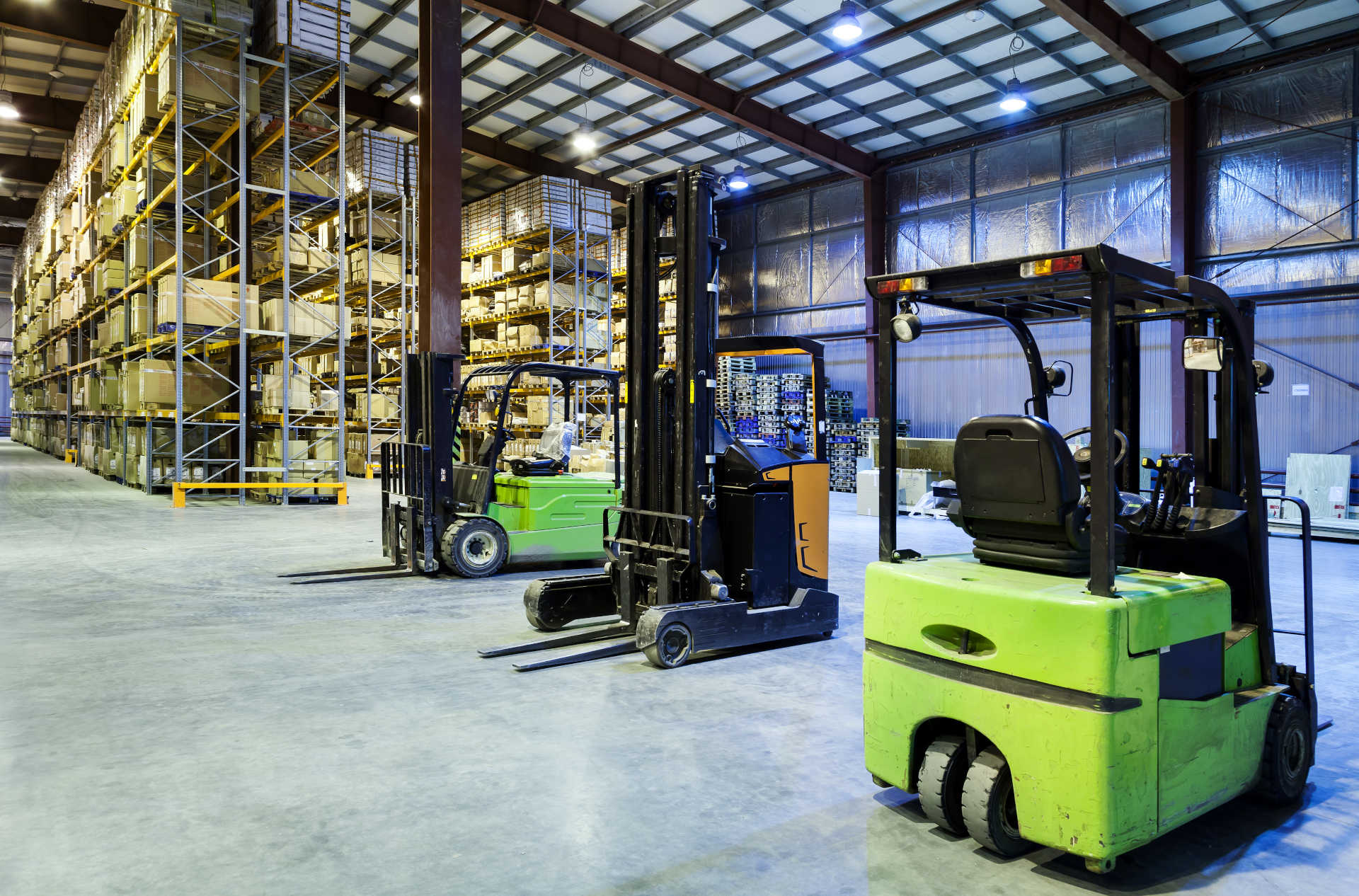
- Visibility. There’s no gas cylinder on the back, so the view behind is clearer.
- Less engine maintenance. No engine oil, spark plugs or gas system to look after.
What to keep in mind:
- Charging takes hours. A traditional lead-acid battery typically needs a full charge, plus time to cool down, between shifts. If you run more than one shift a day, you may need a spare battery or a different set-up. Lithium-ion batteries can be topped up during breaks, but cost more.
- You need the right power supply. Chargers run off mains power, single or three phase depending on the size of the battery and charger.
- Battery care matters. Lead-acid batteries need regular watering, and should be charged in a well-ventilated area because they give off gas while charging. A neglected battery is one of the most expensive things to replace on an electric forklift.
- Wet conditions and rough ground. Most electric forklifts aren’t designed for wet weather or rough outdoor surfaces.
What about cost?
The two cost money in different ways:
- Electric forklifts usually cost more up front, because the battery and charger are part of the price.
- Their running costs are often lower. Electricity for charging generally costs less than buying gas, and there’s less engine servicing.
- LPG forklifts usually cost less to buy, but you’ll pay for gas for as long as you run them, and engine servicing is part of the deal.
Which works out cheaper overall depends on how many hours you run, your electricity and gas prices, and how well the machine is looked after. With a used electric forklift, the battery’s age and condition makes a big difference to value, so check it carefully.
Side-by-side
LPG (gas)
- Best for: outdoors, yards, mixed work, long shifts
- Refuelling: cylinder swap in minutes
- Exhaust at point of use: yes, needs ventilation indoors
- Noise: louder
- Wet weather and rough ground: usually fine with care
- Upfront cost: usually lower
- Running costs: gas, plus engine servicing
Electric
- Best for: indoors, warehouses, food handling, confined spaces
- Refuelling: charging takes hours
- Exhaust at point of use: none
- Noise: quieter
- Wet weather and rough ground: usually not suitable
- Upfront cost: usually higher
- Running costs: electricity, plus battery care
Still not sure? Try both
If you can’t decide, hire one of each for a short period and see which suits your site. Damoli’s hire fleet includes 1.8 to 3 tonne gas and electric forklifts, from $19/day + GST, with servicing and breakdown cover included. Hire either type, or browse our LPG and electric forklifts for sale, mainly Toyota, each with a 3-year warranty. Whichever you run, we offer same-day on-site servicing across Melbourne.
Have a question we haven’t covered? Check our forklift FAQs or ask us. Call 1300 326 654. We reply within 1 hour during business hours.